
The Beauty Standard Is Rooted In Evil
What You Can Do To Help Change the System Obsessed With Youth
By Shaman Isis
Spiritual Teacher | Consciousness Advocate | Lover of Divine Truth
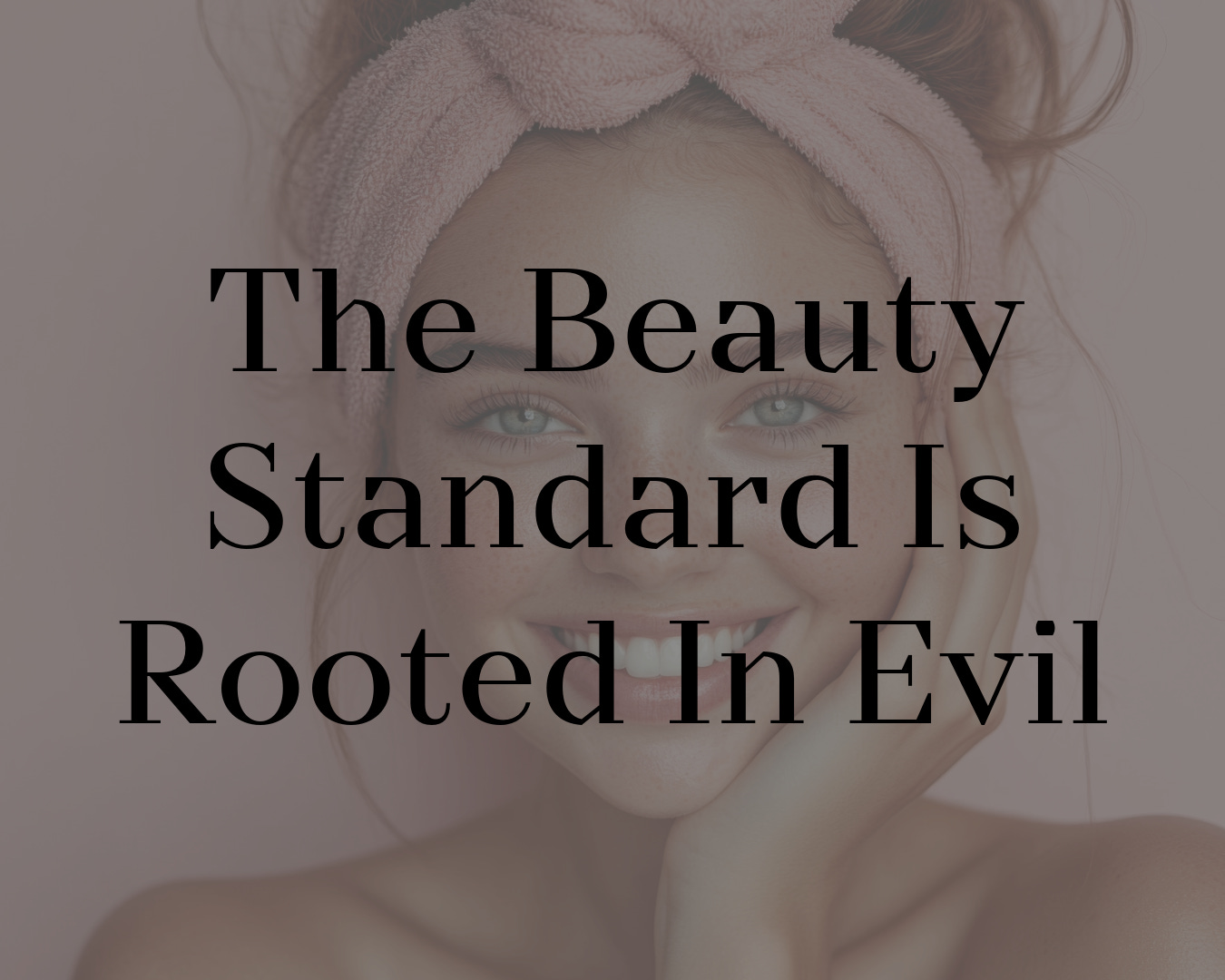
As most of you know, I was a child of the orphanage and foster care system. My sister didn’t make it out, she was trafficked and died because of it. I don’t say that for pity points. I say it because when you’ve seen the absolute worst of what adults will do to children, you start noticing patterns everywhere. And one of the loudest, most normalized patterns is this: our culture is obsessed with making adult women look, act, and be treated like young girls.
We’ve been trained, expertly, relentlessly, to find child-like features more desirable in grown women. And we’re told it’s just “beauty.” It’s not. It’s a preference that has been marketed into us so thoroughly that most people don’t even clock how disturbing it is. It actually stems from the evil of a certain topic I can’t name here.
Let’s run through some examples of how we are all trained to accept this obsession as normal:
Bodies that never fully develop: rail-thin, no hips, no curves, no body fat. Child-like proportions sold as peak femininity. Curves that are appreciated - defy gravity.
Having no body hair, because adult women naturally have body hair, and apparently that’s gross.
No wrinkles, no gray hair, no signs of having lived past 25. Aging is the enemy.
“Low body count” celebrated as virtue, because a woman who’s had adult experiences is somehow less valuable than one who hasn’t.
Clothing that swings between stripper aesthetic and little-girl innocence: crop tops with pigtails, schoolgirl skirts, or lingerie marketed as “cute.”
The constant promotion of plastic surgery as something to start ASAP.
Blonde hair fetishized above all else, even though natural adult blondes are statistically rare. (Most blondes you see on billboards? Dyed or very young.)
And the models selling us shampoo, skincare, and lingerie? Routinely 14–18 years old, airbrushed to look both sexual and innocent.
The entertainment industry pushing and promoting young female artists to dress and dance like urmm pole prancers.
If a man walked around saying he preferred women with young girls bodies, child-like mannerisms, and zero smexual history, we’d call the police. But when multibillion-dollar industries do it, we call it aspirational.
Enjoy a recent press article on the TEDxMizner Part event I organized.
Here’s the dark comedy part: we’re all out here spending hundreds of dollars on creams, lasers, diets, and hair dye trying to look like we haven’t hit puberty yet — while simultaneously being told we’re empowered. It’s like paying extra for the privilege of being marketed to as a perpetual child. Congratulations, queen, you starved yourself into a size 00 and lasered off all your body hair , you now look exactly like the target demographic predators prefer. Slay.
I am not saying getting that tox or good face cream is evil. I’m saying the composite image we’ve been sold as the ultimate female ideal overlaps disturbingly with Epstein preferences. And when an entire culture normalizes that aesthetic, it creates cover. It blurs lines. It makes the exploitation of actual children easier to hide in plain sight.
My sister didn’t die because of one evil person. She died because systems failed her, systems that often look the other way when powerful people prefer their victims young.
So what do we do with this?
We stop playing along. And we start fighting back in ways that actually matter.
Here are real, concrete things you can do, today, this week, this year:
Stop funding the machine. Audit the brands you buy from. Do they use 14-year-old models to sell anti-aging cream? Do their ads smexualize teens? Drop them. There are indie and ethical beauty brands that don’t rely on child-like imagery. Support those instead.
Call it out publicly. Next time you see a campaign that’s creepy as hell (looking at you, every brand that puts a 16-year-old in lingerie to sell perfume), screenshot it and post it. Tag the brand. Ask the question: “Why does a grown woman’s beauty product need a child model?” Make it awkward for them.
Support organizations that protect kids and survivors. Donate monthly — even $5–10 helps — to:
ECPAT-USA (end child trafficking and exploitation)
Love146 (survivor care and prevention)
The National Center for Missing and Exploited Children (NCMEC)
Thorn (builds tech to fight child sexual abuse material online)
Push for legislative change. Contact your representatives and demand stronger laws around age verification for modeling, stricter regulations on smexualized advertising aimed at or featuring minors, and full funding for trafficking prevention programs. There are bills that stall every year because they lack public pressure.
Amplify adult women who look like adults. Follow, share, and celebrate women over 30, 40, 50+ who have wrinkles, gray hair, body hair, curves, women who look like they’ve lived. Normalize aging. Normalize bodies that have been through puberty and kept going.
Talk to the young people in your life. If you have kids, nieces, nephews talk to them about media literacy. Teach them that the images they see are constructed, often by adults with agendas. Teach them that their worth has nothing to do with looking forever 12.
This isn’t about shaming anyone who likes makeup or fashion. It’s about recognizing a pattern that protects predators and harms children, and choosing to stop participating in it.
My sister deserved better. Every kid in the system deserves better. And we can start giving them better by refusing to glorify the very aesthetic that puts them at risk.
Let’s make growing up something to celebrate, not erase.
With love and a little bit of righteous fury,
Cynthia
Shaman Isis


